

 See My Latest Article on HelloNation
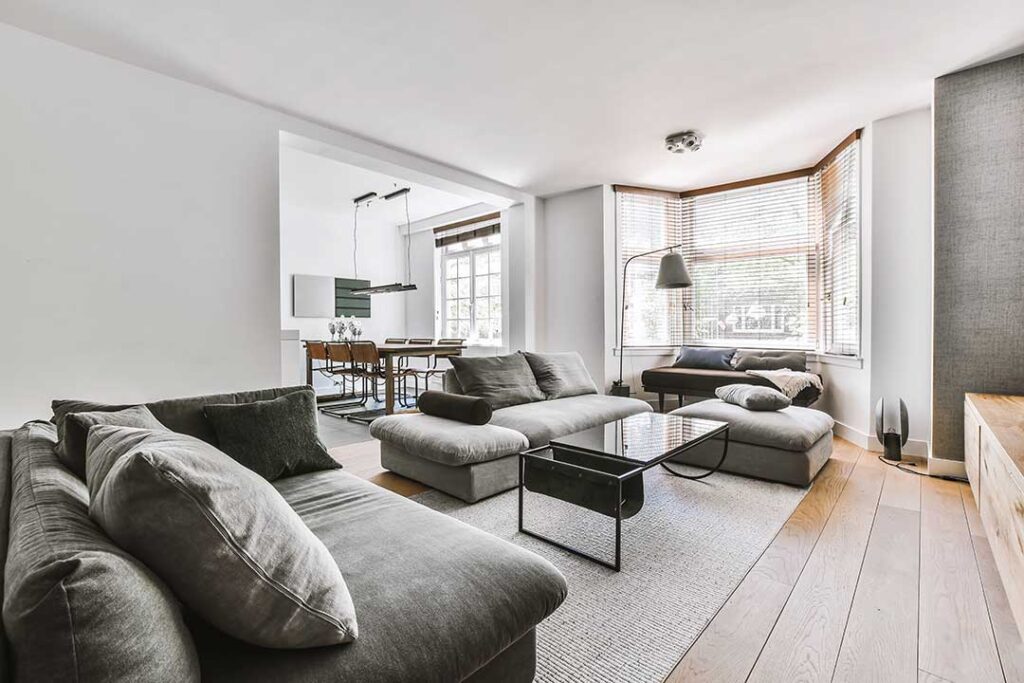
A staged home does not need expensive furniture, designer décor, or a complete renovation. In Greece, NY, practical staging is mostly about helping buyers understand how each room works, see the available space, and picture daily life there.
The most effective improvements are usually simple: reduce visual clutter, clean thoroughly, improve lighting, and arrange furniture so rooms feel comfortable rather than crowded.
What does staging a home actually accomplish?
Staging presents a home in a clean, orderly, easy-to-understand condition. It is different from decorating for personal taste. The goal is not to make every room look luxurious; it is to remove distractions and make the property’s useful features easier to notice.
A staged home should help visitors answer basic questions quickly:
- What is this room used for?
- Is there enough storage?
- Can normal furniture fit comfortably?
- Does the home receive natural light?
- Are the floors, walls, windows, and fixtures reasonably cared for?
Staging also helps photographs look clearer. Since many buyers first see a property online, rooms that are crowded, dim, or dominated by personal belongings may appear smaller than they are.
Which rooms should receive the most attention?
Focus first on the entryway, living room, kitchen, primary bedroom, and bathrooms. These areas influence a buyer’s overall impression and are often photographed or discussed early.
The entry should feel open and easy to navigate. Remove excess shoes, seasonal gear, mail, and decorative items from the immediate doorway. In a climate with snowy and wet seasons, entry areas can accumulate boots, coats, mats, and umbrellas. Keep only what is necessary for daily use, and clean floors and trim carefully.
In the living room, arrange furniture around a clear purpose. A sofa, chair, table, and lamp are usually enough to show how the space functions. Avoid pushing every piece against the wall if doing so creates an awkward arrangement. Leave visible walking paths and remove furniture that makes the room difficult to cross.
The kitchen benefits from clear counters. Keep a few useful or attractive items, but store small appliances, excess containers, and rarely used tools. Clean cabinet fronts, handles, backsplash areas, and the space around the sink. Buyers often inspect kitchens closely because storage and maintenance are easy to evaluate there.
Bedrooms should look calm and usable. Make the bed neatly, reduce visible clothing, and remove oversized furniture if it restricts movement. A bedroom generally needs less decoration than many homeowners expect.
Bathrooms should be bright, clean, and free of personal items. Put away toiletries, medications, laundry, and cleaning products. Fresh towels, a clean shower curtain, and uncluttered counters can make the room feel better maintained without requiring a remodel.
How can a home be staged without buying new furniture?
Use what is already available, but be selective. A home may have too much furniture rather than too little. Temporarily storing extra pieces can improve the appearance of an entire property, especially in smaller rooms, hallways, and finished lower levels.
Try these low-cost adjustments:
- Remove one or two pieces from crowded rooms.
- Use matching or coordinated linens where possible.
- Move lamps into darker corners.
- Replace worn or heavily patterned throw pillows with simple solid colors.
- Group small decorative items instead of spreading them across every surface.
- Keep tables, shelves, and counters partly open.
- Use a mirror only where it reflects light or makes a narrow area feel less enclosed.
Avoid filling empty rooms with inexpensive furniture simply to make them appear furnished. Poorly scaled pieces can make a space look smaller. If a room is too empty to explain, one or two appropriately sized items may be enough.
What should be cleaned before listing or showing?
Deep cleaning often provides more value than new decorations. Pay attention to surfaces that are easy to overlook during normal housekeeping:
- Baseboards, door frames, and light switches
- Window glass, screens, and sills
- Ceiling fans and air vents
- Cabinet interiors and appliance surfaces
- Shower grout, faucets, and drains
- Hardwood edges, stair risers, and floor corners
- Basement, garage, and utility areas
In the colder months, salt and winter residue can collect near entrances and on floors. During warmer seasons, pollen, dust, and tracked-in debris can become noticeable around windows and doors. Seasonal cleaning helps the home appear cared for and prevents minor maintenance issues from drawing unnecessary attention.
Odor control also matters. Airing out rooms, washing soft furnishings, cleaning trash containers, and addressing damp areas are more useful than masking smells with strong fragrance. Heavy air fresheners can make visitors wonder what odor is being covered.
How does lighting affect staging?
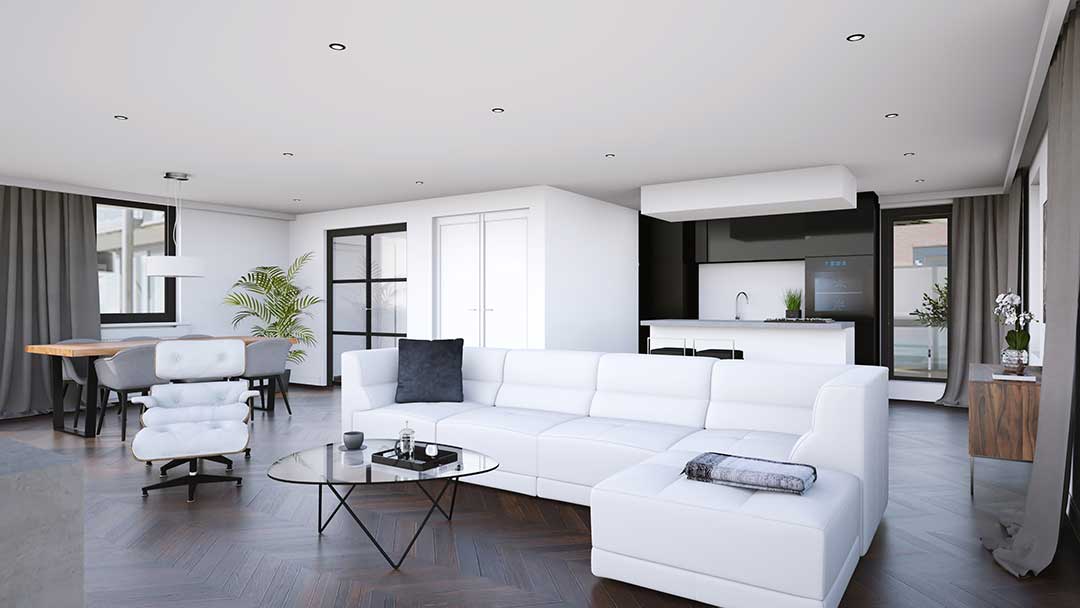
Lighting can change how large, clean, and comfortable a room appears. Open curtains and blinds before a showing when privacy allows. Clean windows so available daylight is not reduced by dust or residue.
Use bulbs with similar color temperatures throughout nearby spaces. Mixing very yellow and very blue light can make rooms feel visually inconsistent. Replace burned-out bulbs, especially in kitchens, bathrooms, stairways, and hallways.
Turn on lights before visitors arrive during cloudy weather or evening showings. Lamps placed in darker areas can make the layout easier to understand. Avoid blocking windows with tall furniture or heavy curtains.
Outdoor lighting deserves attention as well. Clear leaves and debris from entry paths, make sure porch lights work, and keep steps visibly accessible. Winter ice and snow require special care because safe access is a matter of both presentation and basic hazard prevention.
Should personal belongings be removed?
Some personal items can remain, but the home should not feel dominated by one household’s routines. Family photographs, collections, political materials, religious displays, children’s artwork, and highly personal memorabilia may distract visitors from the property itself.
The objective is not to make the home feel empty or impersonal. A few neutral decorations, books, plants, or framed prints can provide warmth. The more useful question is whether an item helps a visitor understand the room or causes attention to stop on the item instead of the home.
Closets should also be edited. Buyers often open closets and cabinets, so overfilled storage can suggest that the home lacks space. Remove out-of-season clothing, unused household goods, and boxes that can be stored elsewhere.
What should be done outside?
Curb appeal begins with basic maintenance rather than expensive landscaping. Sweep walkways, remove weeds, trim overgrown plants, and keep the front entrance visible. During autumn, clear leaves from steps and drainage areas. During winter, keep paths and steps free of snow and ice as conditions require.
The backyard, deck, porch, and garage should be cleaned and arranged according to their likely use. A small seating area can help show how an outdoor space functions, but too many tools, toys, containers, or outdoor furnishings can make the area appear smaller.
Do not hide repair issues with decoration. Loose railings, damaged steps, leaks, broken lights, and unsafe electrical conditions should be addressed appropriately. Safety-related problems may require qualified assistance rather than a staging adjustment.
What are common low-budget staging mistakes?
The most common mistake is spending money before removing clutter. New décor cannot compensate for blocked walkways, overfilled counters, or rooms that are difficult to use.
Other frequent problems include:
- Using too many artificial scents
- Leaving pet items, litter areas, or food bowls in prominent locations
- Covering attractive floors with too many rugs
- Choosing furniture that is too large for the room
- Ignoring basements, garages, attics, or laundry areas
- Making every room look identical instead of preserving its purpose
- Photographing rooms before cleaning windows and turning on suitable lighting
A useful final check is to stand in each doorway and look at the room as a visitor might. If the first thing noticed is a pile, stain, oversized object, or personal display, adjust that area before adding anything else.
How much should budget staging cost?
A careful staging plan can cost very little if the home already has usable furniture and décor. The main expenses may involve cleaning supplies, storage, minor touch-ups, replacement bulbs, neutral linens, or simple outdoor maintenance.
Set a budget only after identifying the most visible issues. Prioritize improvements that affect cleanliness, movement, lighting, and condition. Avoid remodeling solely for staging unless a serious maintenance or safety concern needs attention. Buyers generally benefit more from a home that is clean, functional, and honestly presented than from a property filled with decorative upgrades.